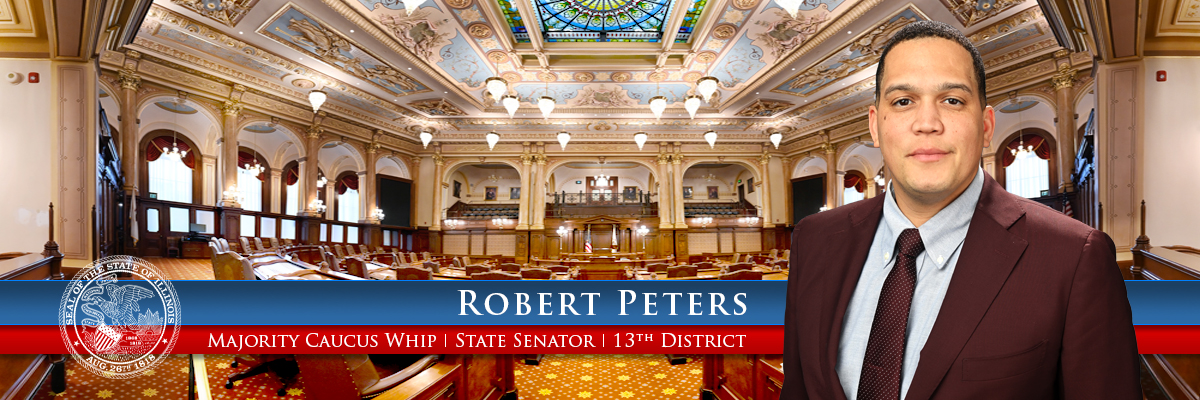
 SPRINGFIELD — Artificial intelligence has been a source of consumers’ data and privacy concerns for over a decade, but in recent years, a new branch has started to stem from these concerns, as reports indicate stores may be using AI-gathered personal data to charge certain customers more for goods and services. To protect Illinoisans from this practice – known as surveillance-based discrimination – State Senator Robert Peters advanced legislation that would block the use of modern technology to set personalized prices.
“Every Illinois consumer is affected by these exploitative policies, whether they realize it or not, and we cannot sit back and watch the unjust targeting of the finances, privacy and equality of residents at a time when the price of living is becoming increasingly unreasonable,” said Peters (D-Chicago). “Prohibiting companies from utilizing surveillance-based data to influence consumer pricing is a commonsense solution to protecting residents from price gouging, discrimination and data privacy threats.”
Surveillance pricing data includes personal information such as browsing history or behavioral patterns, and companies typically collect and analyze the data using AI and algorithms to charge personal prices for customers. In July 2024, the Federal Trade Commission launched an investigation seeking information from companies that utilize surveillance-based pricing. In the findings, the FTC reported retailers use consumer behaviors – such as mouse movement on a webpage or the types of items added to online shopping carts – as well as demographic information and geolocation, to modify consumer pricing.
Peters’ measure would create the Protection from Surveillance Pricing Act, which would limit the use of surveillance data in Illinois, ensuring companies cannot manipulate the price of goods for consumers across the state and preventing companies from prioritizing maximum profits at the expense of individual privacy and dignity.
“With the rising popularity of AI for business and personal use, we have an obligation to ensure out-of-control data mining and algorithmic discrimination aren’t interfering with our residents’ ability to perform necessary tasks like put food on the table,” said Peters. “This measure would directly address muddy, unfair purchasing experiences and restore the public’s trust in companies by empowering people to understand how prices are set.”
House Bill 4248 passed the Senate Sunday with bipartisan support and heads to the House for concurrence.