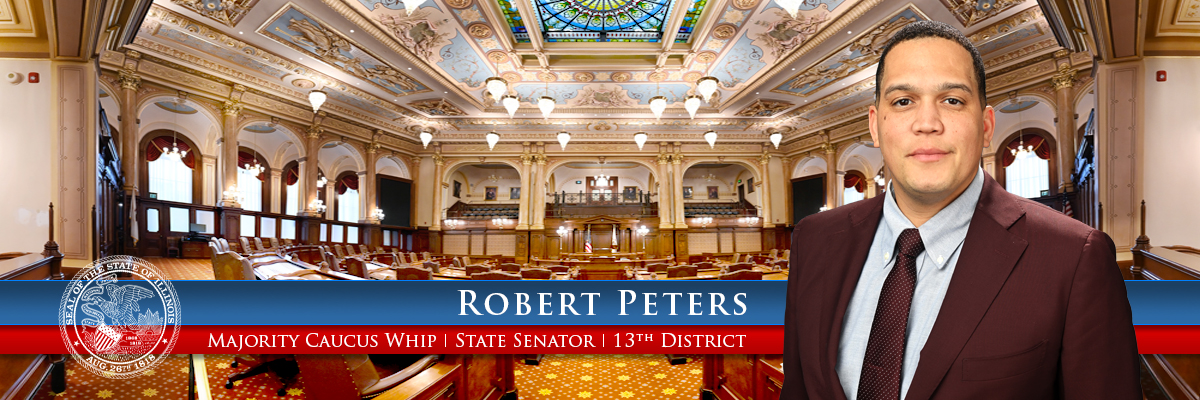
 SPRINGFIELD — State Senator Robert Peters’ law creating the Office of the State Public Defender, an independent office under the state’s Judicial Branch – marking one of the most substantial reforms of Illinois’ public defense system since 1949 – goes into effect July 1.
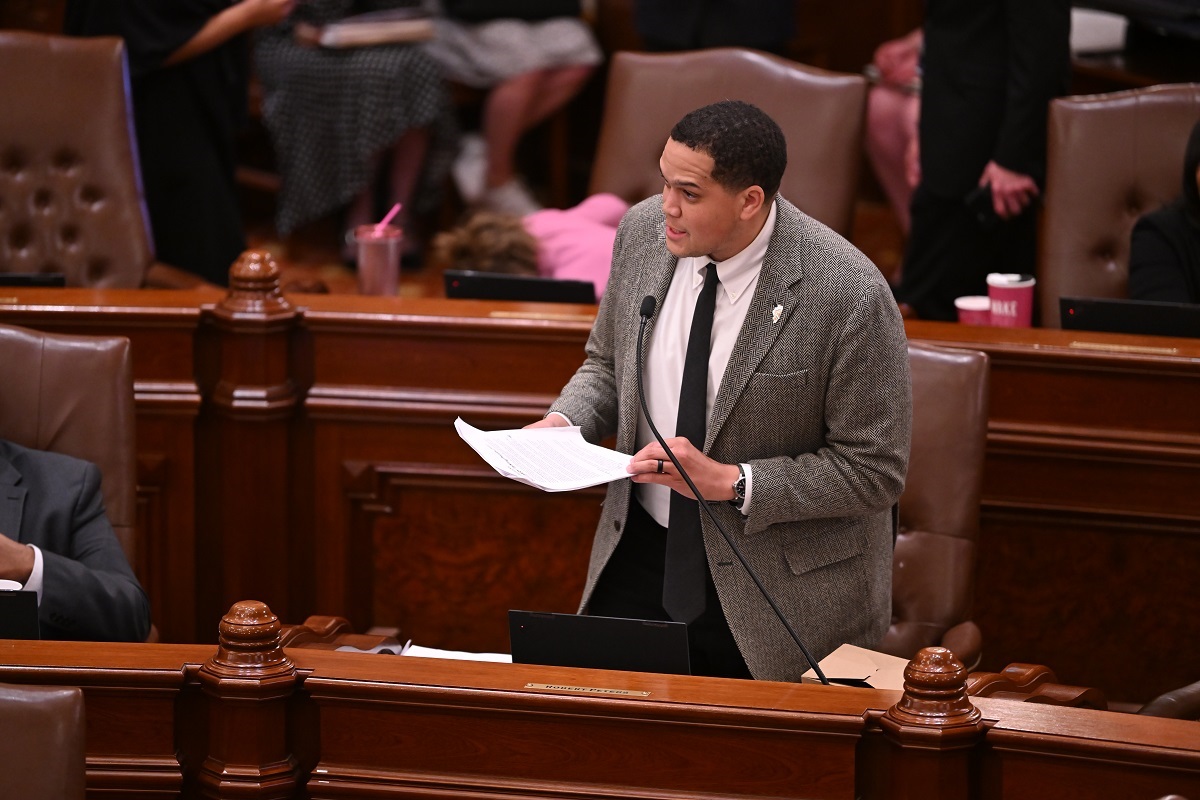
“When I worked to get this law over the finish line last spring, it was with the knowledge that Illinois not only has disparities in its justice system, but also that we have a duty to reduce them,” said Peters (D-Chicago). “There are too many instances where someone is punished with a harsher sentence or a wrongful conviction, and this law is going to directly mitigate that harm in our communities and preserve residents’ constitutional right to counsel.”
A state public defender is a government-employed lawyer who provides legal representation to individuals accused or convicted of crimes who cannot afford to hire their own attorney. Public defender offices are one of three methods through which states and localities ensure defendants are granted the 6th and 14th Amendments right to counsel.
Currently, in all Illinois counties except Cook, judges can hire and fire chief public defenders at will. This goes against the national standard set by the American Bar Association, which calls for public defenders to be independent. Only one other state – Mississippi – still does this, highlighting the need for this updated system in Illinois.
Peters’ law creates the State Public Defender Act – establishing the Office of the State Public Defender under the courts, setting the rules for the public defender’s powers, pay and how they are appointed, and forming a commission to oversee the office and identify its operational costs and funding requirements. At the local level, county offices will mirror this structure to strengthen local defense across the state. Peters emphasized fair and equitable counsel should not only be provided for the wealthy, but instead should be the gold standard of representation for every Illinoisan, especially working-class families who have been plagued by a national affordability crisis amid skyrocketing grocery, home, health care and gas costs.
“Our neighbors, friends and families are struggling every single day to make ends meet while the richest in this country continue to pad their own wallets, but we’re saying enough is enough,” added Peters. “While contributing to a more equitable legal system for community members, this law is also going to empower our state’s public defenders. They have been asked to do more with less for too long, but we’re taking concrete steps to ensure they can provide equal support and access to every Illinoisans in need, not just those who can afford it.”
House Bill 3363 goes into effect July 1.